


Core Process documentation
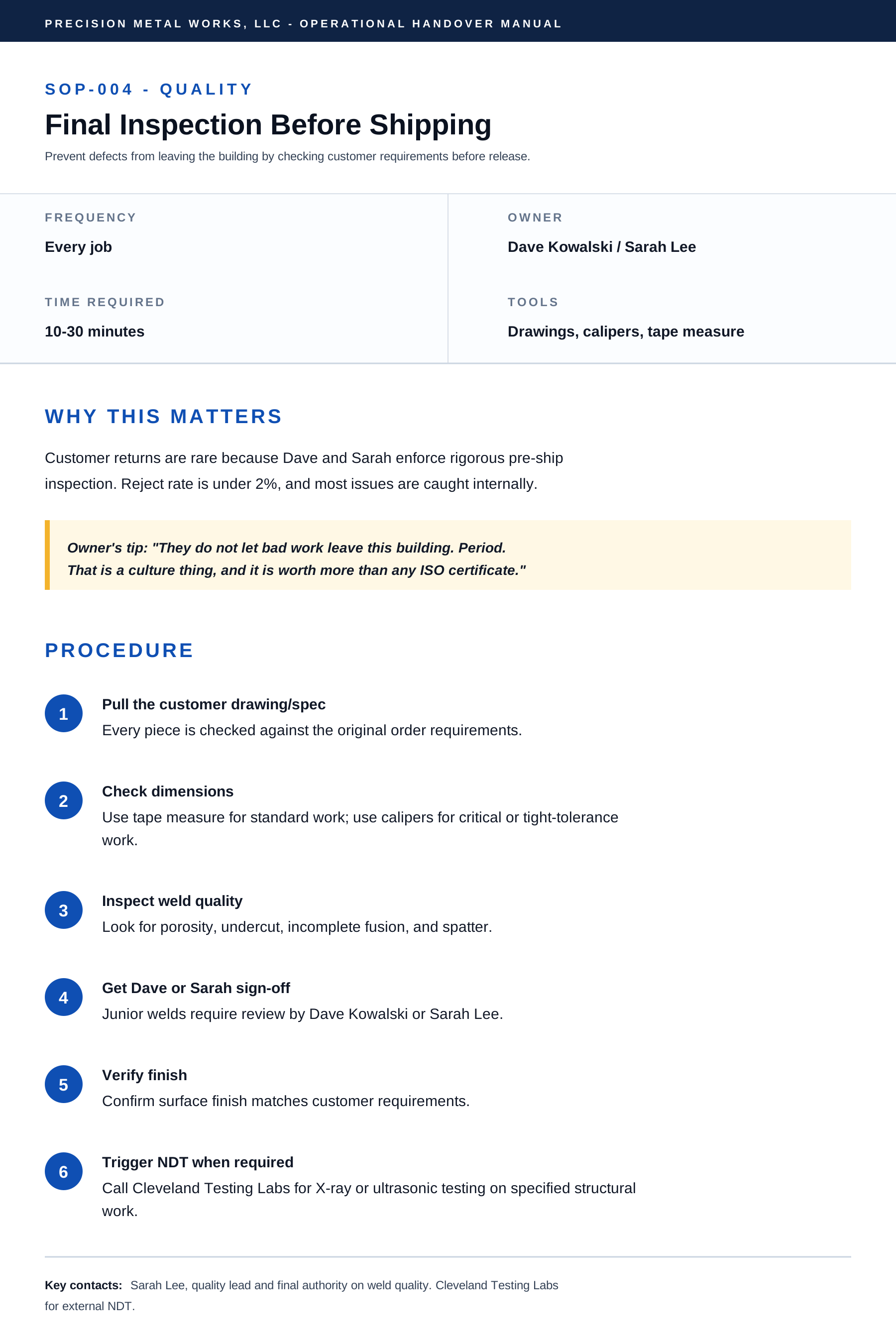
The 20/80 steps, roles, decisions, and exceptions the team needs to follow.
A tool built for EOS Practitioners to close both halves of the Process Component — fast. Two weeks. Three hours of the owner's time. You get documented Core Processes, work maps, evidence-backed Issues for your List, and a living answer layer the team can use every day. You lead the Quarterly. You lead the rollout.
Start Succession is not affiliated with or endorsed by EOS Worldwide. Our Core Process Documentation is compatible with the framework your clients run on.
The other half is followed by everyone — and that is where documentation projects usually die. The same documented Core Processes shown above ship with a practical loading runbook. You or the owner add them to the client's preferred AI workspace so any team member can ask how the work gets done and receive answers grounded in the owner's reviewed knowledge, exceptions included. That makes following the documented path easier than the workaround, so adherence depends less on memory and repeat training. You still lead the rollout.
“Every implementer has watched a binder go stale.” This deliverable is a living source rather than a binder of fiction: when a process changes, the updated documentation reloads into the same answer layer the team already asks.
3-minute video coming soonSee the documentation become a practical answer layer for the team.
The Process conversation you've been leading for quarters gets delivered materials — not another "still working on it." You walk into the next Quarterly with the documentation and the Issues it surfaced. You lead the solve through your own IDS process.
The profile surfaces signals that shape the interview plan.
Precision Metal Works is a sample company built for this demo. Real client materials stay private.
Every engagement delivers the Core Process documentation and work maps alongside evidence-backed findings: gaps, single points of failure, undocumented judgment, and informal criteria. Each finding is packaged as an Issue with supporting evidence and an open question. It feeds your agenda and never bypasses you.
The 20/80 steps, roles, decisions, and exceptions the team needs to follow.
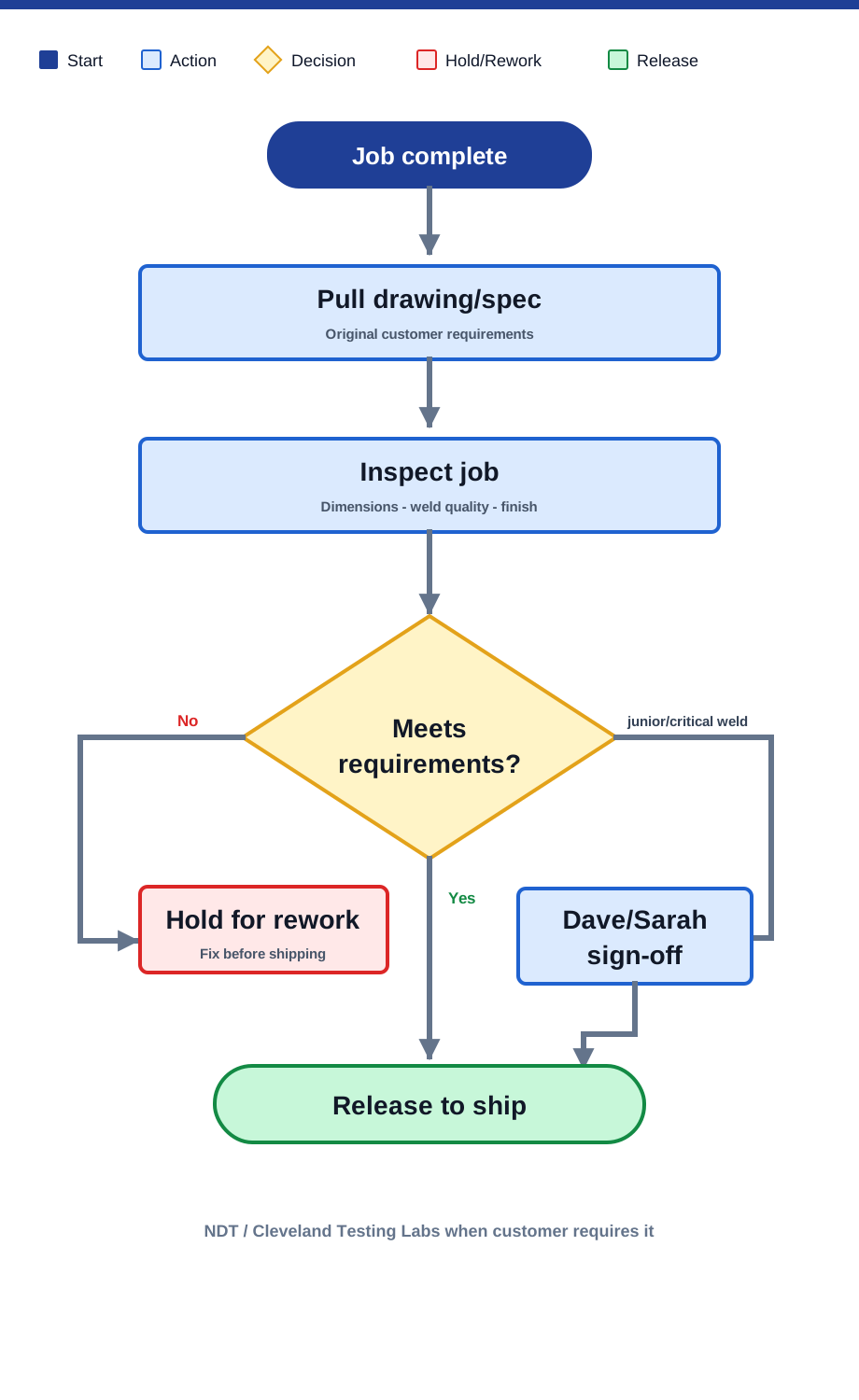
The handoffs, gates, and ownership that show how the work moves.
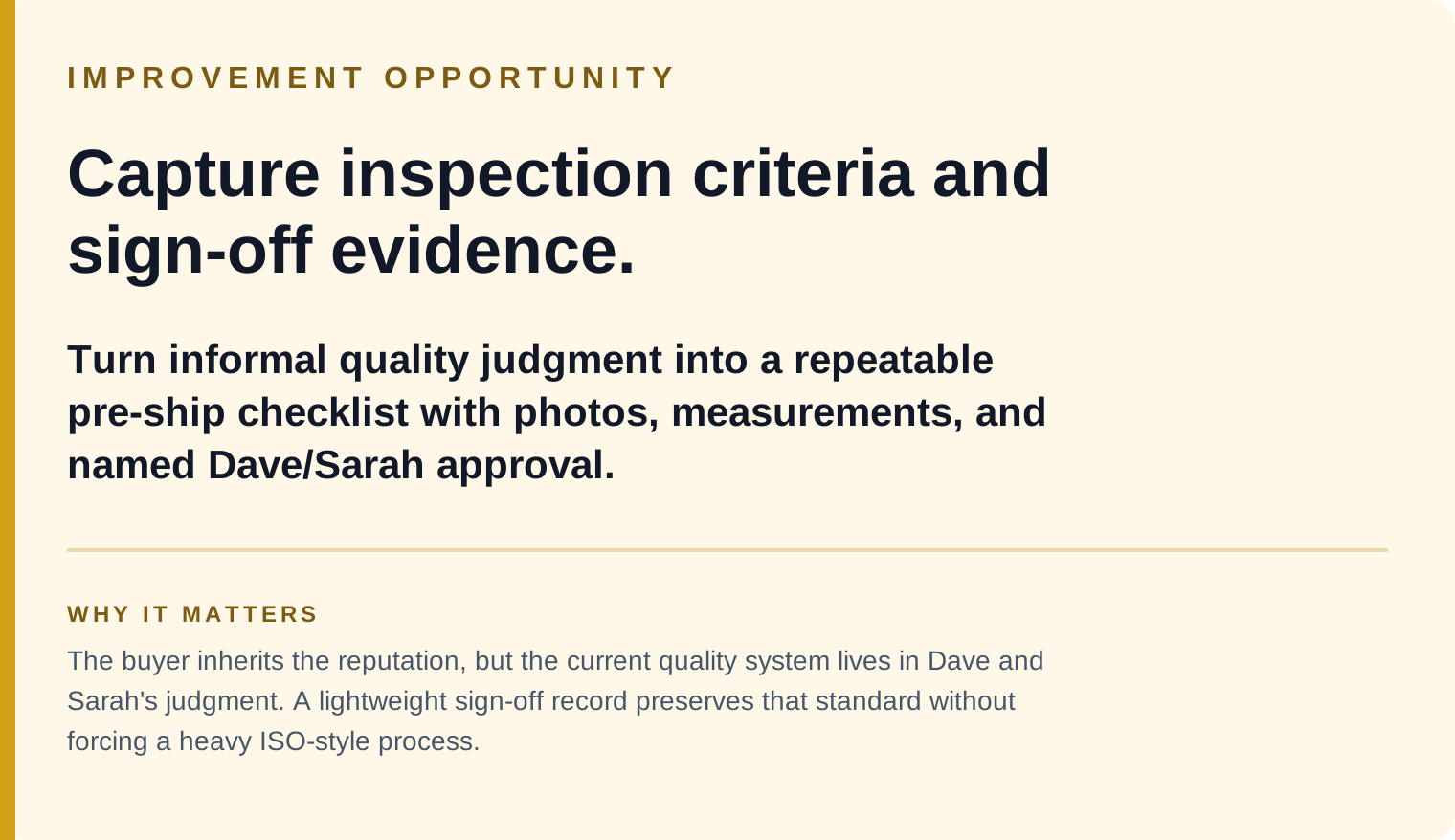
A concise Issue statement, supporting evidence, and the open question your leadership team can take into IDS.
You walk into the next Quarterly with the documentation and the Issues it surfaced. You lead the solve.
Record a conversation and ask a general-purpose AI tool to summarize it, and you usually get polished, generic output nobody has reviewed or trusts enough to adopt. It captures what the owner happened to say — not the exceptions, judgment calls, and “too obvious to mention” knowledge a structured interview is designed to surface.
The question engine follows the work, probes gaps, and makes unwritten decisions discussable.
Notes are turned into draft materials through multiple focused passes, then reviewed for steps, roles, exceptions, and handoffs.
The engagement aims at usable Core Processes the team can roll out, not an exhaustive transcript archive.
Most alternatives leave the hardest work with the client: getting tacit knowledge out of people's heads, resolving ambiguity, and shaping it into something the team will use.
They provide a place to put the content, but someone still has to discover and write it.
They capture clicks and narration, not the judgment behind exceptions, handoffs, and decisions.
They can mean a long, expensive project and another advisor relationship inside the account.
A 20-minute conversation about a specific client whose Core Processes still aren't documented. This is a fixed-fee engagement, scoped together on the call.
Schedule a Fit